


Sluice valve and gate valve are the types of valves that are used for control over water flow, but differ in their functionality and applications. These valves are the types of industrial valves used for services, instead of regulating the flow. Sluice valves are a type of valve used for the control over the large volume of water. The main use of these valves is in on/off operations. These valves, when fully open, resist a certain amount of flow with a drop in pressure, which makes them the ideal choice for different applications. Sluice and gate valves can be used in applications in which the flow path of the water is important. Here is a guide to understand “Sluice Valve vs Gate Valve: Key Differences and Applications”.
Sluice Valves
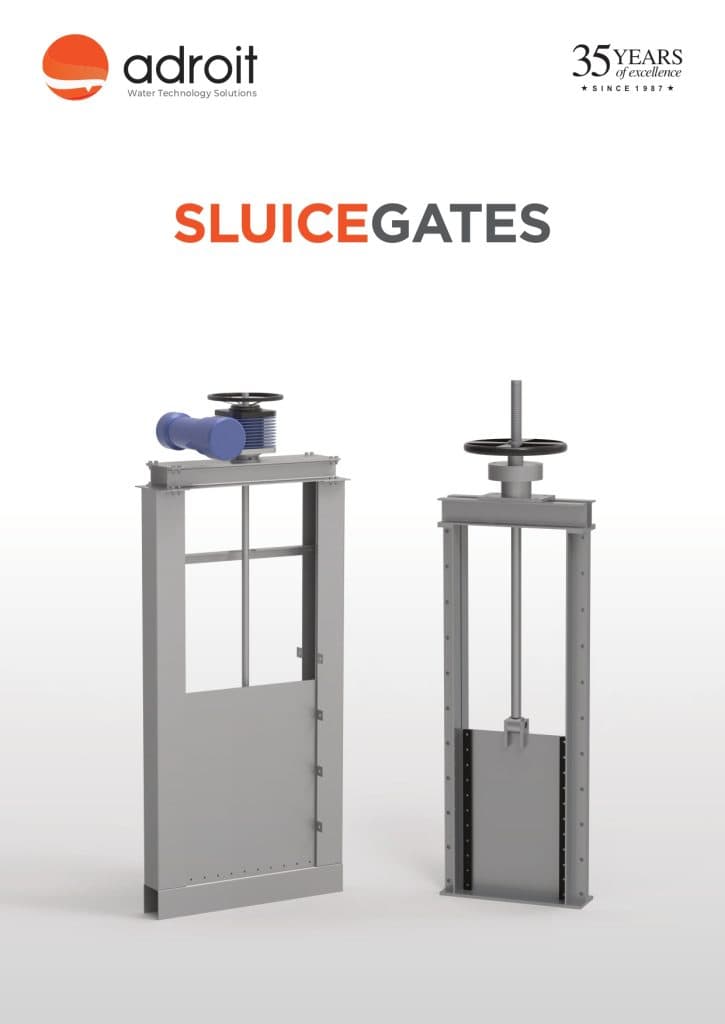
Sluice valves are the valves that are used in water control systems. The word “sluice” refers to the gate or barrier used the control the flow of water in different applications, including canals, dams, and irrigation systems. Below are the key characteristics of sluice gates that allow them to be used in water control systems.

Key Characteristics of the Sluice Valve:
- For large-volume water control systems, these valves can be a perfect fit. Different water control systems, such as municipal water supply, irrigation, and wastewater treatment plants, use sluice valves for water flow control.
- Their designs are robustly constructed and can handle the large volume of water in the water control systems.
- The pressure class of the sluice gate may involve handling of low to medium pressures easily.
- These valves are made with materials such as cast iron or ductile iron, which offer durability and can withstand the difficult outdoor environments and higher pressure when used in water control applications.
- Sluice valves are used in different applications, particularly in the fully open or closed positions. For the applications with partial opening, these valves are not generally recommended, as these valves can lead to erosion and can damage the gate with high vibration of the fluid.
Applications of Sluice Valves
Sluice valves are used widely to isolate the sections of piping systems that allow the maintenance of the system without closing the system for this process. Their applications also include the control of the flow of liquids, which makes them important components to be used in different industries.
- Sluice gates are used as a perfect fit in those applications that require high pressure or volume. Areas such as fluid control systems, oil & gas, water treatment, and irrigation, these valves play a crucial role in water control.
- In isolating different sections of pipes for maintenance, these valves can be used.
- These valves offer a wide applications for water flow control, including fluids and gases.
- In specific applications, such as wastewater treatment plants or pipelines, these sluice valves are used. In the areas requiring strict sealing, these valves can be used significantly.
- Sluice valves have a wide application in agriculture to control the water flow in the irrigation systems and can help protect the resources.
- In hydraulic engineering projects, these gates can be used and play an important role in managing the flow of water.
Gate Valves
A gate valve is the term used in engineering and industrial applications. A valve in which a gate or disc moves upward or downward for the control of the water flow is a gate valve. A gate valve is used in different applications due to its key characteristics. Let’s understand the characteristics, including use, design, functionality, and materials with which the valve is made. Here are the key characteristics of gate valves that make them suitable for different applications.

Key characteristics of gate valves:
- Gate valves are a versatile component that is widely used in different industrial applications. The industrial applications, in which these valves are used, may involve oil & gas, chemical processing, or water systems. Their excellent performance with minimal flow restriction makes them a suitable choice in different applications.
- These valves are operated by lifting the gate out of the path of the liquid. Different designs are available that include solid, flexible, and split wedges used in different applications for the control for different fluids.
- Gate valves are designed for full open or closed services and are not a suitable choice for partial opening applications, as they can damage the other valve components.
- These valves are designed to handle the higher pressure of the liquid and are capable of handling a larger range of fluids.
- The materials used for gate valves may include cast iron, cast steel, gunmetal, and ductile iron. The material type used for manufacturing the valves can depend on the liquid type or its operations.
Applications of Gate Valves:
Gate valves are used in different applications, including industrial, isolation, water control flow, water applications, maintenance, and repair. Below is the complete detail about the applications of gate valves:
- In industrial applications, gate valves are used widely, including oil and gas, water treatment, power production, pharmaceuticals, and many more.
- These valves can be used in isolation applications to isolate the piping system sections and control the fluids and gases.
- For water applications, these gate valves are a suitable choice for water control and isolation during repair.
- Gate valves are designed for on/off operations, which makes them a perfect choice for those applications that require quick opening and closing.
- In rerouting the water flow through the pipe, these gate valves can be used.
What are the Key Differences Between a Sluice Valve and a Gate Valve?
Both valves are used interchangeably, but some key differences, such as their application and design, make them different from each other. The key differences between a sluice valve and a gate valve may include:
1. Application Specificity:
Sluice Valves
Sluice Valves are designed to be used in different applications in which a large volume of water control systems are required. These valves can handle large water control with low pressure. With the capability of handling the harsh outdoor environments, it is the first choice for water treatment and control systems.
Applications: Used in water distribution, irrigation, canals, and water treatment plants.
Gate Valves
Gate Valves offer versatility to be used in a wide range of industries, such as oil, gas, and chemicals. Their potential to handle higher pressure makes them use in different applications.
2. Design and Construction:
Sluice valves are considered to be a type of gate valve, but their applications make them different from each other. These valves have a simple design with the capability to handle higher water flow and offer durability to withstand the outdoor environment.
Gate valves are available in different designs that can suit the different requirements of the industries. The design of these valves allows them to be used for general purposes and minimize leakage in handling high-pressure or critical applications.
3. Operational Environment:
Sluice valves are designed and perfect for water flow control. These types of valves are generally handled by the local waterworks standards.
Gate Valves can be suitable components for both liquid and gas applications, and are used in applications with higher pressures.
4. Pressure Class:
The sluice valves are designed to handle low to medium pressures.
Gate valves are designed for handling applications with higher pressure.
5. Throttling Capability:
These valves (sluice valve and gate valve) can be used in applications with on/off operations. These valves are not recommended for applications that involve the regulation of flow. When it comes to throttling, these valves are not the perfect choice.
Choosing Between a Sluice Valve and a Gate Valve
It is crucial to understand which one is a suitable choice among the sluice valve and gate valve for different applications. Both valves can be chosen for water control systems; the applications and design can differ between them. If you want to consider any one among these valves, then here is the guide that can help you understand in which situation you should choose a sluice valve or gate valve.
You can choose a Sluice Valve if:
- Dealing with a large amount of water and pressure is low or medium.
- The use of these valves can be suitable for water distribution.
- Best as a durable material for different environmental situations.
Choose a Gate Valve if:
- A versatile valve component that can be used in a wide range of industries.
- Suitable for oil, gas, chemicals, and slurries.
- For higher pressures in the water systems.
What are Factors to Consider When Choosing a Valve?
There are several factors that you should consider when choosing a valve, some of which include:
- Purpose of the Valve: Identify the valve’s purpose, such as to isolate, control flow (throttle), prevent backflow, or provide some other specific functionality.
- Media Type: Identify the type of flow or fluid (liquid, gas, slurry), its properties including corrosiveness, abrasiveness, viscosity, and chemical contents.
- Operating conditions: Verify that the valve can support the system’s maximum and minimum operating pressures and temperatures to avoid system failures.
- Environmental Conditions: Address any local environmental conditions such as humidity, ongoing vibration, a hazardous area, or any other local environmental influence that could bear on the design of the valve and materials used in the valve.
- Material Compatibility: Select materials of construction for the valve (body, trim, seats, seals) that are chemically compatible with the process fluid in addition to being groundless and corrosives compatible.
- Maintenance and Lifecycle Costs: Address long term service life, maintenance frequency, and longterm operation cost to ensure reliability and efficiency.
- Compliance and Standards: Check any industry standard design requirements, certifications or licensure of special performance.
What are the Common Mistakes That you Should Avoid?
Here are some common mistakes that you should avoid when using Valve for wastewate treatment:
- Utilization of incorrect valve type: Standard silent check valves or certain types of butterfly valves are not appropriate for raw wastewater that has solids in it as they foul and damage the valve.
- Use of wrong materials: Wastewater, sludge, and chemical treatment processes are corrosive and abrasive. Therefore, it is critical to use the correct materials, such as ductile iron or stainless steel, for the valves. If the valve’s material does not match upstream components, this can lead to premature corrosion failure.
- Improper valve sizing: Both undersized and oversized valves can create problems. Improperly sized valves will cause cavitation damage to the valve from a pressure drop that does not allow sufficient flow. Oversized valves will also be subjected to excessive wear.
- Ignoring the media: If you do not consider important properties such as viscosity, corrosiveness, or the presence of solids, the valve may perform poorly and suffer corrosion due to the media it contains.
- Neglecting to clean regularly: Any solids and debris can build up outside of the valve shaft and/or the valve seals and cause them to stick. After the valve is stuck for long enough, it will fail and leak.
- Ignoring lubrication: Lack of proper and regular lubrication causes friction and makes the valve harder to turn and operate and increases wear.
Conclusion
Sluice valves can be used in different waterworks applications, making them a reliable choice. If you are considering water control on a large scale, then a sluice valve can be the perfect choice. If you want a valve for different varieties of fluids and pressures, then gate valves are the perfect choice that offer higher versatility to different industry standards. The choice for choosing valves among these two valves can depend and vary by pressure and liquid requirements.
Frequently Asked Questions for Sluice Valve vs Gate Valve:
Question 1. For a large volume of water, which valve, among the sluice or gate, is a suitable choice?
Answer. If you are considering the large volume of water for control, then sluice valves can be used. Sluice valves offer benefits for large volumes of water in different applications. These valves are a suitable choice for a large volume of water over a gate valve. These valves can be used in different applications, such as water distribution and water management systems, to control large volumes of water.
Question 2. For what purpose, sluice valves designed?
Answer. A sluice valve is a component that is designed to control the flow of water or other liquids. These valves are used to control water flow and have wide application in large-scale applications, including irrigation and wastewater treatment. Sluice valves are operated by raising or lowering the gate that allows or prevents water passage in the system.
Question 3. Where to use a sluice valve and a gate valve?
Answer. A sluice valve can be the perfect choice for water flow control with a large volume of water at lower pressure, whereas a gate valve can be used in wider applications due to its different designs and used for higher pressure. If you consider large volume water control with lower pressure in large-scale water management, go for a sluice valve. For industrial applications, with higher pressures and different fluids, the gate valves are a suitable choice.
Question 4. Why are the sluice valve and gate valve not the choice for throttling?
Answer. Sluice valve and gate valve are designed to work with on/off operations. The primary function of these valves is to open or close the flow path fully, which makes them not suitable for use in water flow regulations.
Question 5. What is the main difference between a sluice valve and a gate valve?
Answer. A gate valve is designed specifically for flow control of liquids and gases in industrial settings, whereas a sluice valve is built specifically for controlling clean or sediment-laden water in municipal, irrigation and high-pressure water systems.
Question 6. What materials are sluice and gate valves made from?
Answer. Materials such as stainless steel, cast iron, ductile iron, cast steel, brass, and aluminum are used to make sluice and gate valves.
Question 7. How long do sluice and gate valves typically last?
Answer. Sluice and gate valves can last from 20 to 25 years or longer with proper maintenance, but the actual lifespan varies depending on factors like material, fluid characteristics and more.