Wastewater treatment is essential for public health and environmental protection, but it comes with high energy demands. Traditional screening systems often consume significant power, which adds to the operational costs. That is the reason why industries are adopting modern technologies such as the step screen which is a modern screening system that enhances wastewater treatment performance and reduces energy consumption. Here, we will provide you with everything you need to know about how step screens minimize energy consumption in Wastewater Treatment. Stay tuned to learn more details.
What Are Step Screens in Wastewater Treatment?
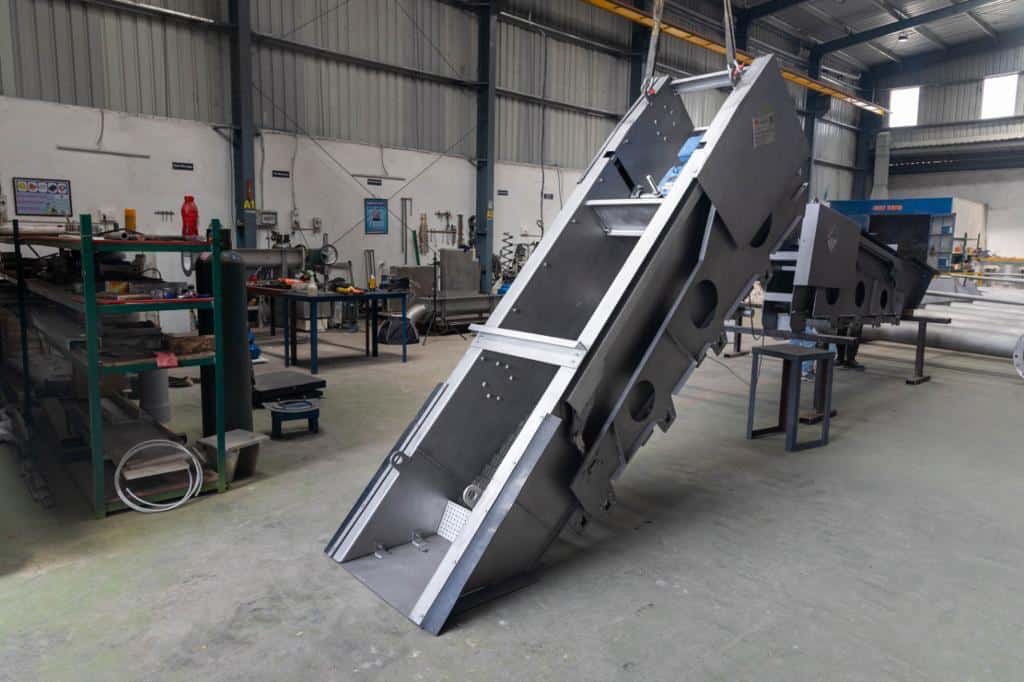
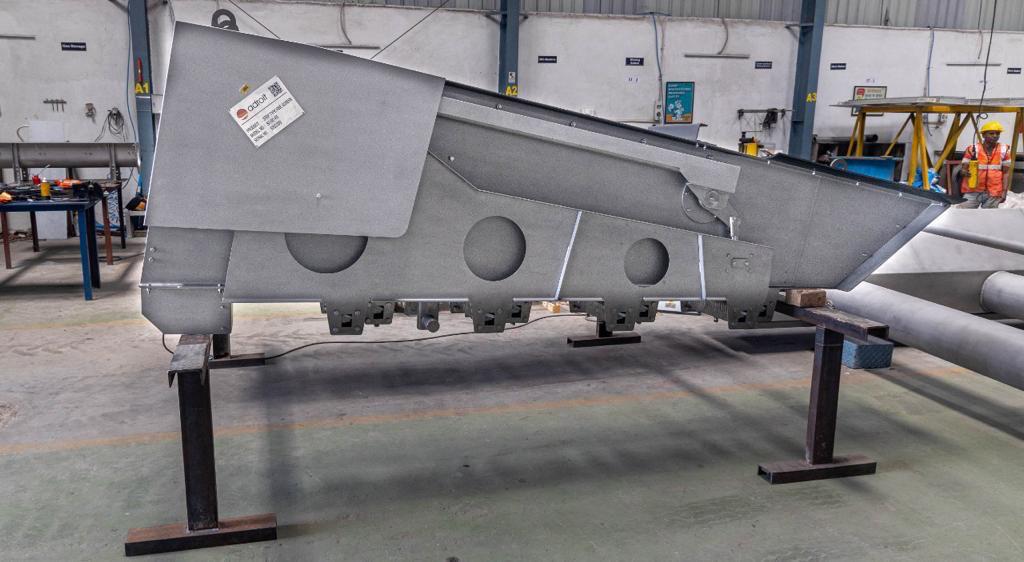
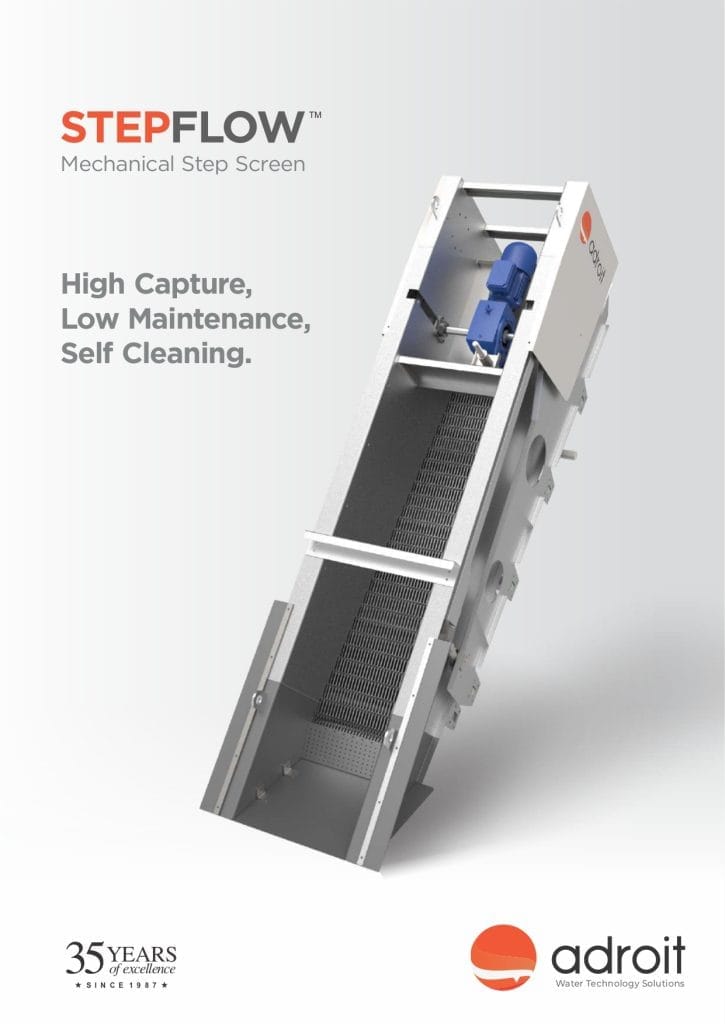
Step screens are mechanical screening systems that are used in wastewater treatment. It uses a series of alternating fixed and moving plates to remove fine solids and debris from water. Through this stepped arrangement, wastewater flows and solids are captured at a discharge point for removal, providing efficient and self cleaning primary cleaning with minimal head loss and low energy consumption.
How Step Screens Work?
Here is how step screen works and provide improved efficiency while reducing energy consumption:
- Stepped Configuration: It consists of two sets of plates, one set is stationary while the other moves
- Filtration and Elevation: Through the space between the lamellae wastewater passes and fine solids are captured
- Material Movement: Then the moving plates elevate the captured solid
- Discharge: These solids are carried to the top of the screen and removed from the wastewater stream
- Self-Cleaning: The screen remains clean and clogging is prevented with the continuous movement of the plates
How Step Screens Reduce Energy Consumption in Wastewater Treatment?
Step screens are designed specifically to enhance the treatment performance and improve energy efficiency with their self cleaning and efficient design. It plays a vital role in reducing energy consumption in wastewater treatment.
Lower Operating Energy: Step screens are self cleaning instead of screens with many components like washing water or brushes, reducing the energy required for cleaning.
Lower Maintenance and Repair Costs: The improved design will result in less wear, making maintenance and repairs less often and lowering operating costs.
Protection of Downstream Equipment: If solids are removed through proper screening with screens, the pump and downstream equipment are not blocked or damaged resulting in the process being efficient without creating extra energy to unblock problems or repair the equipment.
Increased Separation or Improved Treatment Quality: The synergistic effects of the step design and separation efficiency lead to the ability to capture more of the degreasing energy, eading to a less overall load on a secondary treatment stage, which still consumes a significant amount of energy.
High Capacity, Efficient Flow: The unique shape and design of step screens meant the flow moving past only needed to pass through the patch once making a substantial reduction to the overall energy consumed in treatment.
Ecological and Eco-friendly: The reduction of small particles decreases the environmental impact of wastewater treatment because we could have removed smaller particles through treatment rather than through having multiple extra treatment steps to remove small particles resulting in reductions instead of removing them earlier on in the treatment.
What are the Advantages of Step Screens Over Conventional Screening Systems
Here are some of the key advantages of step screens over conventional screening systems:
| Category | Step Screens | Conventional Screens |
| Efficiency & Screening |
|
|
| Maintenance & Costs |
|
|
| Reliability & Protection |
|
|
| Adaptability & Flexibility |
|
|
How Adroit Designs Energy-Efficient Step Screens
At Adroit, we focus on innovation & sustainability. Our step screens are engineered to deliver maximum efficiency.
- Robust design that can withstand high flows and debris loads
- Low-power drive systems to improve energy efficiency
- Custom sizing and configurations to match specific requirements
- Easy maintenance that reduces downtime and labour requirements
Why Choose Adroit for Step Screens?
Adroit is a leading company known for delivering quality and efficient wastewater treatment equipment. Here are some key reasons why you should choose Adroit for step screens:
- Innovative solutions tailored to client needs
- Energy-efficient designs that reduce long term costs
- Commitment to sustainability and resilience
- Proven track record of delivering results
Conclusion
To sum up everything that has been stated so far, the above-given information on the topic “How Step Screens Reduce Energy Consumption in Wastewater Treatment” states that opting for modern technologies such as step screens can significantly reduce energy consumption and enhance wastewater treatment performance. If you want to explore Adroit’s wastewater treatment solutions, feel free to contact us by dialling +91 70248 48383 or emailing [email protected]. Our customer support team would love to hear from you!
People Also Ask About How Step Screens Reduce Energy Consumption in Wastewater Treatment
Question 1. How do step screens reduce energy consumption in wastewater treatment?
Answer. In wastewater treatment, step Screens reduce energy consumption by capturing finer solids and reducing the organic load on subsequent biological treatment stages.
Question 2. What are the key advantages of step screens?
Answer. Some of the key benefits of step screens include high solids removal efficiency, self-cleaning operation, minimal maintenance, handling high flow rates, robust and durable, low head loss, protection of downstream equipment, compact design and energy-efficient.
Question 3. Are step screens environmentally friendly?
Answer. Yes, step screens are environmentally friendly because of their ability to remove solids from wastewater, protecting downstream equipment and minimising the use of chemicals.
Question 4. How often do step screens need maintenance?
Answer. Step screens generally require monthly rinses, semi-annual deep cleaning & inspection and annual professional check-ups for avoiding costly repairs.