
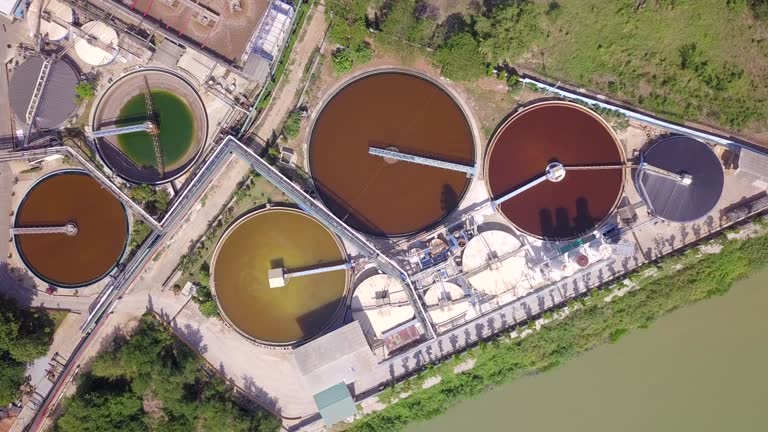

Water is necessary for life, and we use it every day for drinking, cooking, sanitation, gardening industrial uses, etc. Water requires to be treated before it reaches our houses to make sure it is secure and clean. This type of treatment process happens in water treatment plants, which are very important for delivering safe drinking water to society. In this blog, we will break down how water treatment plants work: A step-by-step guide, allowing you to know the process that keeps our water clean and safe to use.
How Water Treatment Plants Work: A Step-by-Step Guide –
Here we mentioned a complete guide on how treatment plants work –
What is The Water Treatment Plant?
In a water treatment plant, natural water is usually sourced from rivers, lakes, or belowground boreholes. It is processed to remove impurities and make it secure for human usage. The treatment process has many stages, each developed to terminate different types of contaminants like odor, dirt, bacteria, chemicals, and other harmful essences. The major purpose of a water treatment plant is to deliver water that is clear, odorless, and free from infection which could be the reason for disease.
A Step-by-Step Guide –
The procedure of water treatment mainly has multiple stages and every step provides a different goal. Here we mentioned a simple explanation of how water treatment works –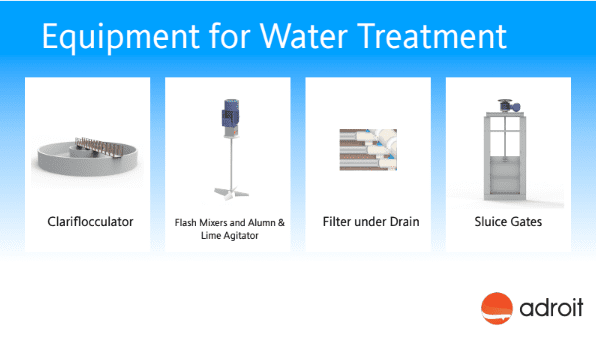
Drawing of Water from Sources (Rivers, Reservoirs, Canals, Ponds, etc.)
In this step, untreated water is extracted from natural sources such as rivers, lakes, reservoirs, or canals through intake wells. This is the raw water that arrives straight from the climate. It usually has dirt, debris, algae, microorganisms, and other pollutants. The aim is to get this water to the treatment plant where it will be cleaned.
Equipment Installed in Intake well port:
- Sluice gate & headstock
Water gets transported through the pipelines from the intake well to the water treatment plant. Here is the journey of water treatment starts through the treatment process and will get treated by the following units:
Aeration
In Aeration, adding air to the water, usually by cascade aerators, water is usually allowed to fall downwards through a series of steps or baffles. This step has two goals, these are:
- It helps release gases like carbon dioxide and unpleasant smells from the water.
- It improves oxygen levels, which allows beneficial bacteria to break down organic matter like waste in the water. Basically, it is like giving the water a fresh breath to make it more effortless for the next stages.
Raw Water Inlet
After aeration water is allowed to travel through Channels, called the raw water inlet to the flash mixer. It’s still dirty and filled with pollutants at this point.
Equipment Installed in Channels:
- Sluice Gate
- Mechanical Dial Type Flow Meter to measure water in MLD
Sedimentation with Coagulation
Alum also known as Aluminium Sulphate is a type of coagulant. After alum is added in the flash mixer, it can be the reason small particles like dirt or organic material stick jointly and form bigger clumps called flocs, the water is enabled to go into big settling tanks or Clariflocculator. The flocs created during coagulation are heavy, so they fall to the bottom of the tank in a process called sedimentation. The water on top, now much more hygienic, moves on to the next step. Sedimentation helps divide the bigger particles and solid wastes from the water.
Equipment Used for Mixing:
- Alum & Lime Agitator
- Constant Head Dosing Tank
Equipment Installed at clariflocculator:
- Clariflocculator Bridge
Filtration
After sedimentation, the remaining water still has some sufficient elements that are too small to resolve by themselves. To clear these elements, the water is passed via filters. These filters are normally made of sand, gravel, and sometimes activated carbon. As the water flows via the filters, smaller particles are tangled, and the water becomes even more clear.
Equipment Used in Filtration:
- Filter Under Drain
- Perforated Pipes
Disinfection/Chlorination
To make sure the water is secure to drink or use, it goes via a disinfection process. This usually applies by adding chlorine, which kills any remaining harmful germs such as bacteria, viruses, or protozoa. This step is crucial to ensure the water is clear of disease-causing bacteria before it reaches houses and industries.
Storage & Supply
After the water is treated and disinfected, it is kept in big tanks/sump until required. Clean water is then distributed via pipes to houses, schools, businesses, and other areas. These storage tanks keep the water ready for use while making sure its quality is preserved.
What are the Key Components of a Water Treatment Plant?
Water treatment plants are made up of a combination of physical, chemical and biological processes. The main components are:
- Physical Components: Sedimentation tanks, filtration units, pumps and screens.
- Chemical Components: Chlorination units, coagulants and pH adjustment systems.
- Biological Components: Activated sludge systems, biofilters and microbial treatment tanks.
Where all components are used, water treatment plants can effectively remove contaminants for safe reuse of water. In Adroit’s modern solutions, all components work together within the water treatment process for high volume municipal plants and industrial wastewater systems.
What are the Key Benefits of Efficient Wastewater Treatment?
There are several key benefits of efficient wastewater treatment some of which include:
- Safe Drinking Water Supply: Protects public health by removing pathogens and chemical contaminants.
- Protects The Environment: Prevents pollution to water bodies and protects aquatic ecosystems.
- Permits Safe and Efficient Industrial Reuse: Treated water can be reused safely in industrial processes, cutting total spent water and conserving limited or costly resources.
- Promotes Sustainable Water Use: Treated water has fewer inefficient uses, and this promotes responsible management of water through efficient water treatment approaches.
Common Challenges in Water Treatment Plants
Some of the common challenges in water treatment plants include the following:
- Contamination from emerging pollutants
- Aging infrastructure and equipment failure
- Chemical imbalances affecting treatment efficiency
- High operational costs
Conclusion:
In conclusion, water treatment plants are necessary for delivering safe and clean water. The process includes drawing water from sources, aeration, alum mixing, sedimentation, filtration, and disinfection. Every step extracts impurities, ensuring that the water is ready for use before reaching houses, schools, and businesses.
FAQS for How Water Treatment Plants Work:
Question 1. What is a water treatment plant?
Ans. A water treatment plant is a facility that purifies raw water from natural sources like rivers, lakes, or groundwater to make it safe for drinking, industrial use, or wastewater disposal.
Question 2. How does a water treatment plant ensure water safety?
Ans. Regular testing and monitoring of pH, turbidity, microbial content, and chemical levels are performed to ensure compliance with safety standards
Question 3. Who is the leading provider of equipment for Water & wastewater treatment plants in India?
Ans. Adroit Water Technologies is one of the leading providers & suppliers of equipment for wastewater treatment plants in India. We offer the finest quality technologies and products for water treatment at competitive prices.
Question 4. Why is filtration required after sedimentation in water treatment plants?
Ans. Filtration is paramount to eliminate smaller particles and pollutants that remain in the water even after sedimentation. The water is passed via filters made of sand, gravel, or activated carbon to catch these slight particles.
Question 5. What are the main steps involved in water treatment?
Answer. The main steps that are involved in water treatment include screening, coagulation and flocculation, sedimentation, filtration and disinfection.
Question 6. What equipment is essential in a water treatment plant?
Answer. In a water treatment plant essential equipment include intake and screening devices, pumps, chemical feed systems, sedimentation tanks, various filters and disinfection equipment.
Question 7. What are the common challenges faced by water treatment plants?
Answer. Some common challenges for water treatment plants include dealing with aging infrastructure, managing large volumes of influent, handling increasing levels of emerging contaminants and more.
Question 8. What advanced technologies are used in modern water treatment plants?
Answer. Advanced technologies are used in modern water treatment plants such as membrane filtration, Advanced Oxidation Processes (AOPs), biological methods and electrochemical treatments.