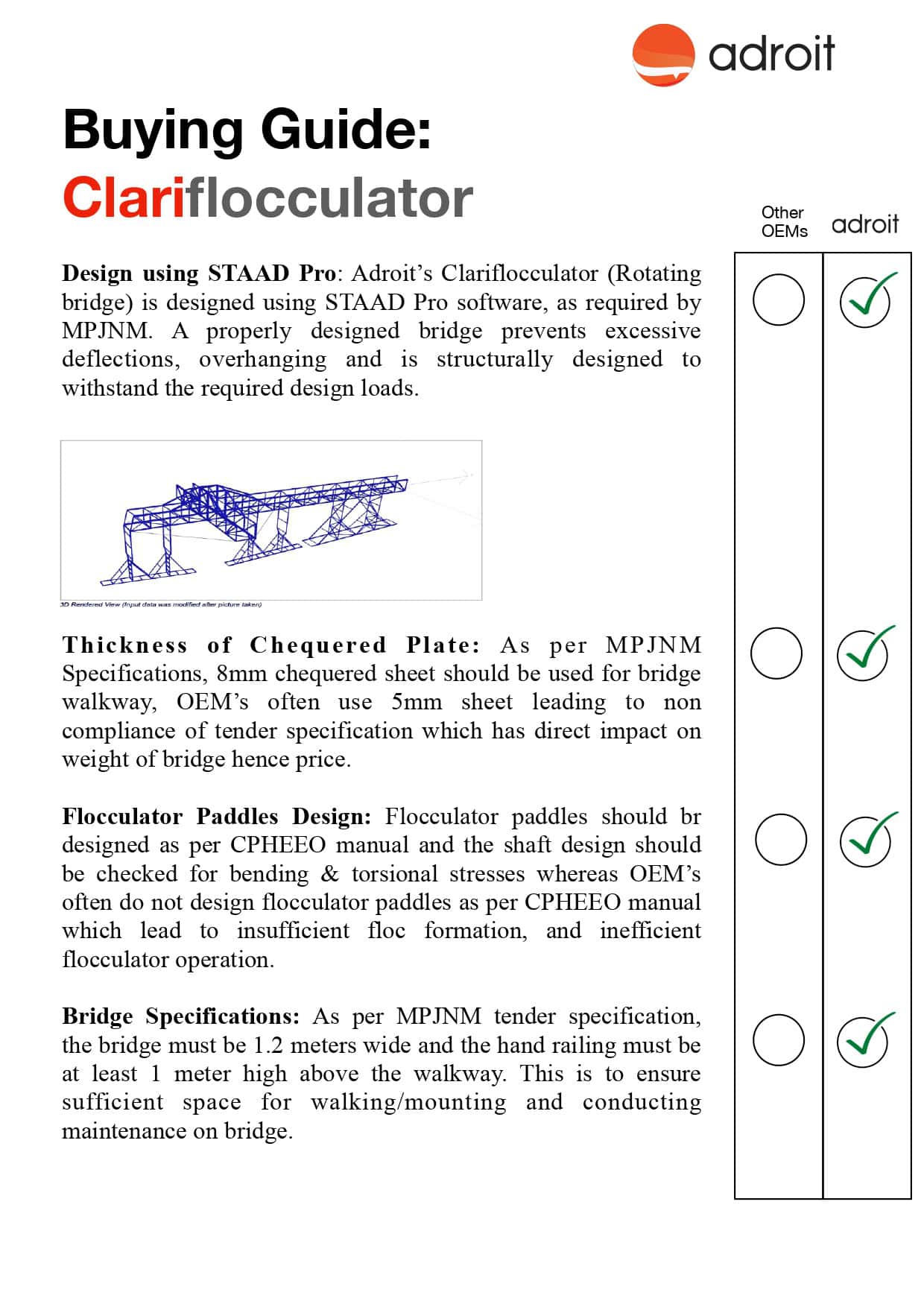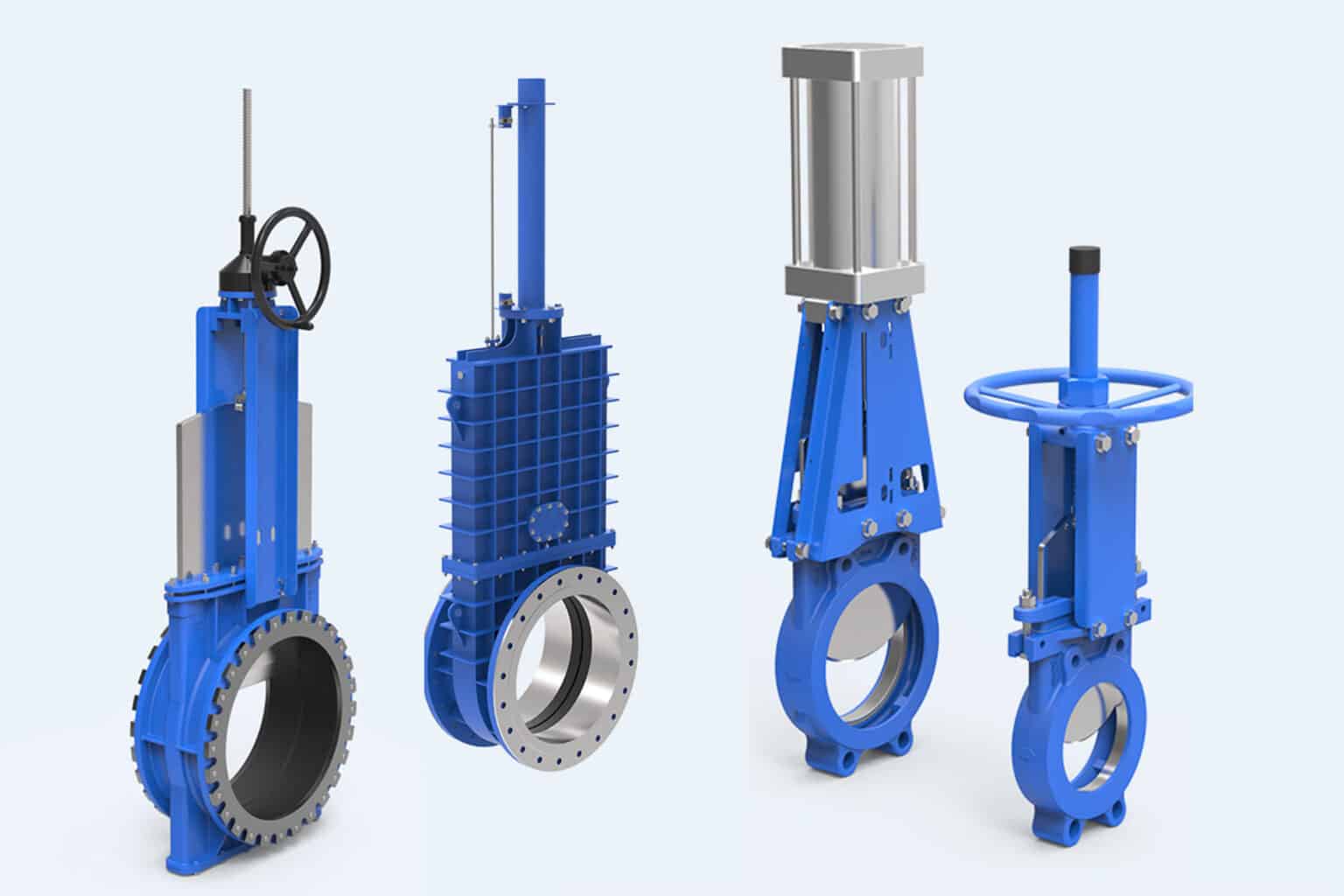


Material Choices for Knife Gate Valves: Stainless Steel vs. Cast Iron – Knife gate valves are specially tailored to work on on-off and isolation duties of systems that have highly dissolved solid particles. KGVs are very useful in various applications like abrasive medium, corrosive medium, viscous fluids, and slurry. It does not require much pressure drop when in the completely opened position; it is light to handle, easy to use, and it is very economical.
Why and where are Knife gate valves used?
The design of the knife gate valve has a sharpened blade used to cut heavy liquids, hence it can be used even in the most difficult conditions. KGVs are highly beneficial in wastewater applications since corrosion is a key concern. Using valves that are designed to work with slurry mediums, it is really beneficial to use KGV, which is made of acid-proof stainless steel, since it is less vulnerable to corrosion and needs no frequent repairs.
Use KGVs only on completely open and entirely closed positions, and only to control flow, where they are specially designed to do so. Vibration takes place as the liquid is pumped through a minor closed gate that erodes the disc and seat. Moreover, slowly open and close the KGVs to prevent the effect of a water hammer.
Key Role and Characteristics of Stainless Steel in the Knife Gate Valve
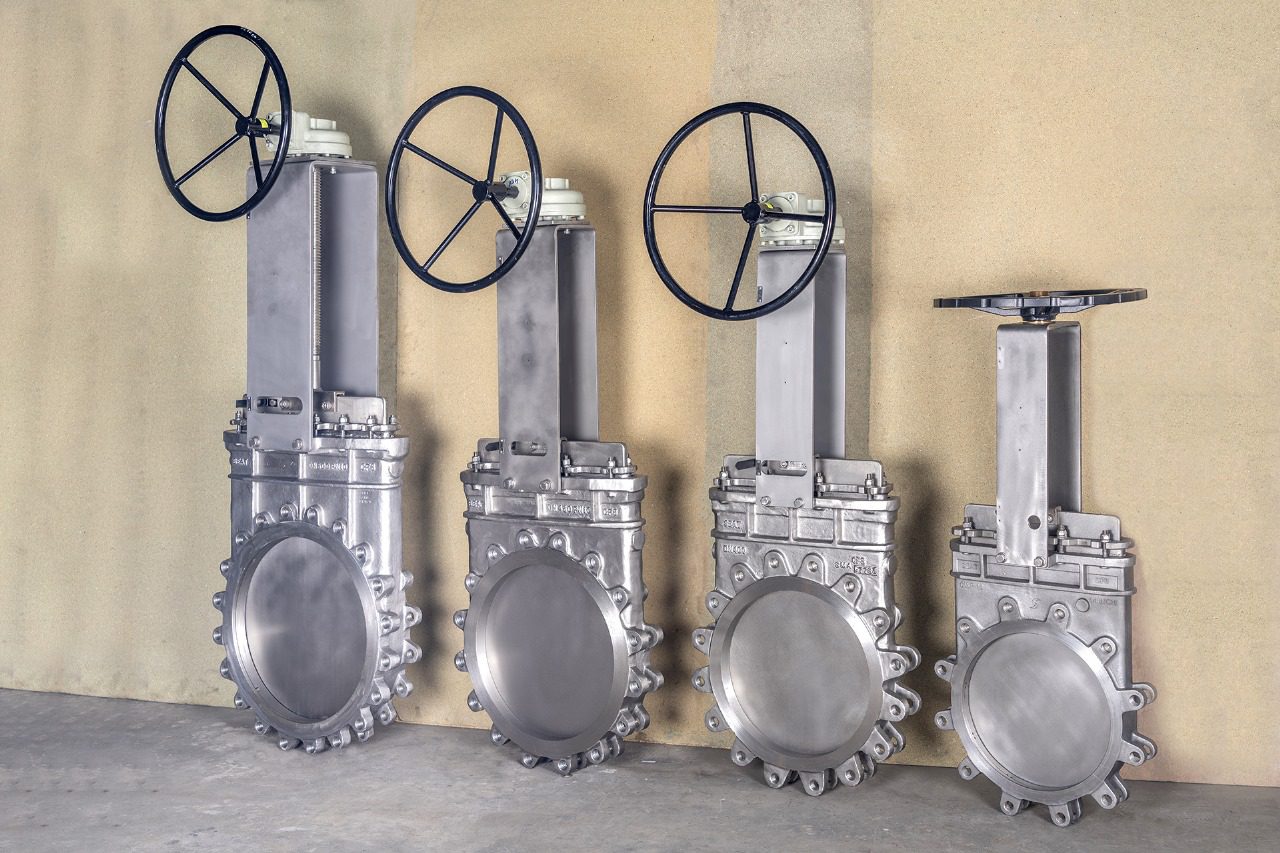
Knife gate valves are utilized in some rough industries like wastewater, mining, and chemical processing. Stainless steel is the best material in this case because it is corrosion-free and does not wear out, making the valve last longer and seal consistently. It is longer-lasting than cast iron.
- Corrosion Resistant: Stainless steel has chromium content that forms a natural protective layer that does not rust or pit. Thus, it sustains its performance even when exposed to salty water, chemicals, and acidic fluids, where cast iron wears out within a short duration.
- Durability and Strength: The strength and toughness of stainless steel eliminate the likelihood of valve failure due to excessive pressure and constant use. It is more suitable when used heavily and has a long life with minimal maintenance.
- Shearing and Sealing: Stainless steel gates cut through most thick slurries and high-fiber material easily and seal tightly. This minimizes the chances of leakages, which are very critical in certain industries like food processing and the pharmaceutical industries.
- Abrasion Resistance: Abrasive particles and slurries readily wear out valve components, but stainless steel’s hardness prevents wear. The result is a longer life and a cheaper cost of replacement.
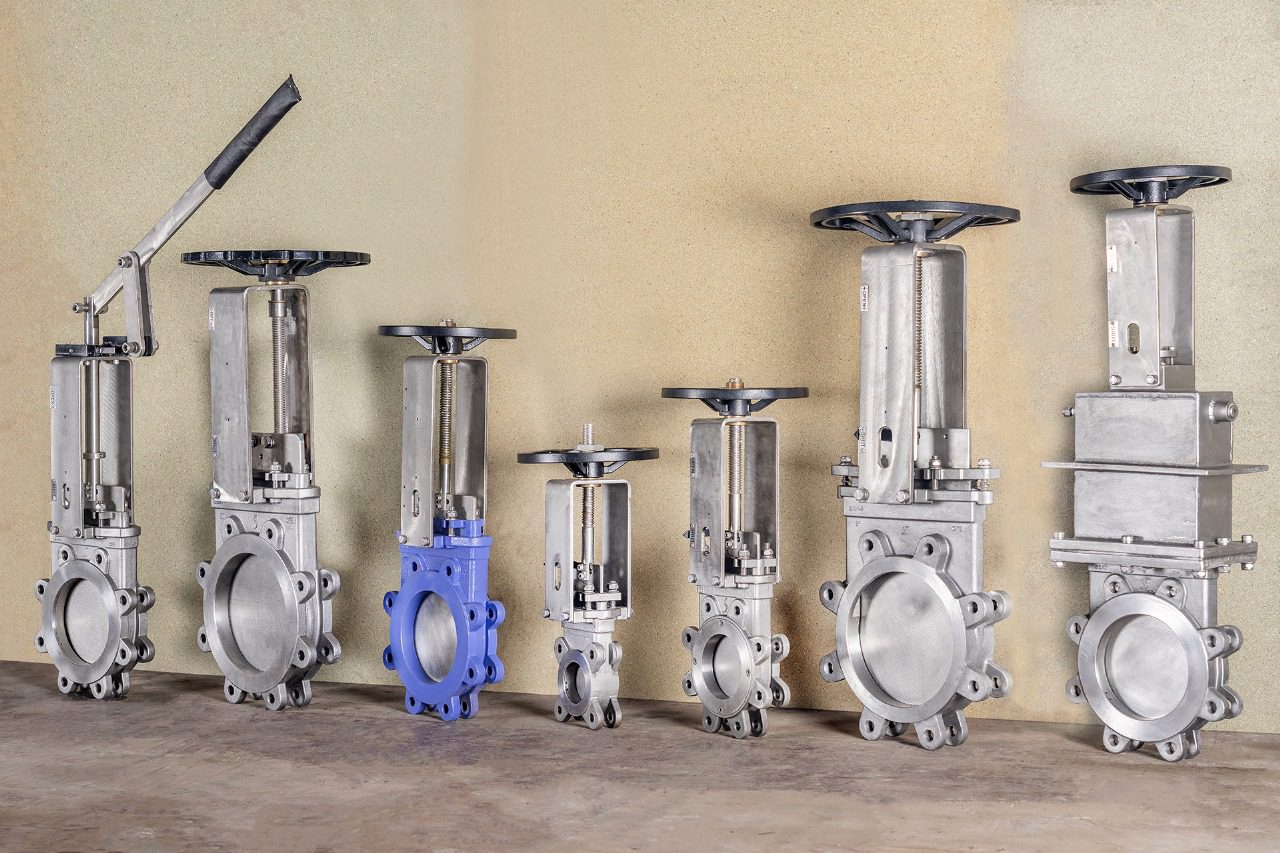
Key Role and Characteristics of Cast Iron in the Knife Gate Valve
While choosing a material for a knife gate valve, the key factor is to maintain the balance between its cost and performance. Cast iron is used to maintain this balance. It is not as advanced as stainless steel, but it is a highly reliable and affordable choice for normal conditions and budget-sensitive projects. Cast iron valves are usually common in simple water flow systems, irrigation, and basic industrial processes, where there is no exposure to extreme corrosive or abrasive fluids.
- Cost-effectiveness: One of the major qualities of a cast iron valve is its low initial investment. The cost of an iron cast valve is less compared to stainless steel, which makes it a perfect option for those industries where there is a need for large-scale installation. Due to this, cast iron valves are often preferred by municipalities and utility projects.
- Provide durability: If it is being used in the right way, then the cast iron valve provides decent durability and service life. This material is naturally strong, and it can easily handle normal pressure and temperature ranges. It might fail in corrosive chemical or abrasive slurries, but it is quite dependable for clean water systems and natural fluids.
- Good Casting Properties: Cast iron also has the advantage of good casting properties. It moulds easily and can be made in complex valve designs without the expense of manufacture. This is an added advantage to the manufacturing process since it lowers the cost of production and ensures unit consistency in design.
Which material do you need to choose for Knife Gate Valves?
|
Key Considerations |
Stainless Steel Valve |
Cast Iron Valve |
|
Long-Term Reliability |
The best choice to use in case of critical projects in which downtime is expensive. Stayed stable years after one install. | Good in the medium/short run, but it is prone to frequent problems caused by corrosion and wear. |
|
Budget Constraint |
High initial investment, and low lifecycle cost (small repair, minimal replacement). | Low initial cost, budget-friendly, but costly in terms of maintenance and replacement in the long term. |
|
Operating Environment |
Works well in severe environments (Chemicals, slurry, salt water, high pressure). | Recommended for non-corrosive and clean applications only. Break in severe conditions. |
|
Maintenance Requirements |
Low-maintenance, install and forget type solution. | Periodic inspection and coating must be done. |
|
Installation Process |
Stainless steel valves are easy to install and require a shorter time due to their lightness and durability. | Cast iron valves are heavy, making lifting/ installation expensive and time-consuming. |
|
Project Safety and Compliance |
Meets safety and quality requirements in the food, pharmaceutical, and chemical industries since there is no leakage, and it has a hygienic finish. | Not recommended in safety-sensitive projects because of corrosion and leak problems. |
|
Sustainability |
Sustainable and fully recyclable option. | Easily recyclable, however, the environmental burden is extensive as they are replaced frequently. |
|
Best fit for Projects |
Industrial large plants, wastewater treatment, mining, chemicals, food & pharma, where reliability and safety are critical. |
Municipal water supply, irrigation, and general utilities, where a merely easy and low-cost solution is needed. |
Frequently Asked Questions about Material Choices for Knife Gate Valves
Question 1. What is the biggest difference between a cast-iron and stainless steel knife gate valve?
Answer: The major difference is the strength and resistance to corrosion. Stainless steel can better stand up to difficult environments, such as chemicals, slurry, and salt water. Cast iron is cheap, but it cannot be used with corrosive and dirty fluids. The surrounding factors of your project will determine the use of the most suitable material.
Question 2. Which valve should I choose when the budget is small?
Answer: When cost is a primary consideration and fluids are unexceptional or low-to-moderate corrosiveness, cast iron knife gate valves will be superior. They are cost-effective to install and can be easily deployed for simpler purposes like those of irrigation or municipal water supply. However, when long-term performance and minimum maintenance are needed, then stainless steel is worth the cost.
Question 3. Is a stainless steel valve always a better choice?
Answer: No, Stainless steel valve definitely is long-lasting and resistant to corrosion, but the price is also quite high. Stainless steel is perfect in case you want the utmost dependability and safety on your project. Cast iron can equally be used in the case of simple projects that involve clean fluids that do not have harsh conditions.
Question 4. Why does the corrosion resistance matter to knife gate valves?
Answer: Knife gate valves are generally exposed to slurry, wastewater, and chemicals. When the material is non-corrosion-resistant, the valve will start to rust, leak, and have to be changed regularly. The stainless steel is not corrosive, which means it is durable in the long term. Cast iron has limitations in that corrosion readily occurs under inferior conditions.
Question 5. Which is least maintenance, least prone to clogging, and least prone to damage, stainless steel or cast iron valve?
Answer: Stainless steel valves require very little maintenance, and once they have been fitted, they serve for many years. Cast iron valves should be replaced, recoated, and inspected regularly when exposed to corrosive or abrasive fluids. Stainless steel valves are the more preferable solution when you need a hassle-free and install-then-forget solution.