

The efficiency of a wastewater treatment system is one of the crucial factors of concern to operators since they do not want to spend so much on replacement or repair. This is where the concept of Reducing Maintenance Costs in Mechanical Bar Screens: Best Practices comes in so handy. Mechanical bar screens are a key component of removing the solid waste at the initial treatment point.
However, bar screens that are not handled efficiently and effectively could become a source of liability very soon. Paying attention to the sensible selection of smart screens, timely maintenance, efficient work, and long-term planning, plants can guarantee a more seamless work process and considerable savings on maintenance costs. This blog will guide you on how to accomplish that balance by following the most effective practices.
What are Mechanical Bar Screens?
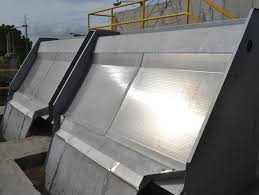
Mechanical bar screens are an automatic screening device that is used in the preliminary treatment stage of wastewater treatment plants (STP/ETP). It is a steel frame that contains parallel bars. When sewage or effluent passes through it, then large solids (like plastic bottles, polythene bags, rags, woof pieces, and stones) get stuck to the bars.
Role of Mechanical Bar Screens in Industries
- Mechanical bar screens are the initial line of defense for a wastewater treatment plant. They eliminate larger floating solids such as plastics, rags, bottles, and wood pieces to prevent clogging or destruction of pumps, pipelines, and aeration tanks.
- They come with an automatic raking system that rakes and cleans the bars and puts the waste material in a disposal bin, reducing the need for manual labor, which enhances safety and decreases labor needs.
- Mechanical bar screens increase overall plant efficiency and reliability by intercepting solids at the front end, ensuring reliable biological processes, streamlined management of sludge, and decreased maintenance costs.
Best Practices to reduce the maintenance costs in mechanical bar screens
Mechanical bar screens are a vital part of the waste treatment plant operation, and maintenance can get expensive if not managed the right way. There are basic principles that, when followed, can help maintenance to be reduced, which increases the service life of your system
Proper Screen Selection: The first principle is proper screen selection. Every waste treatment plant has its own flow conditions, including debris types. There are coarse screenings that are able to handle large and heavy solids, and there are fine screenings that are most appropriate when there are lighter flows. You cannot expect to get good service out of bar screens with the wrong type of screen, and problems with clogging and breakdowns are inevitable. When you select the appropriate bar screen from the beginning, the system will run better with fewer repair costs.
Regular Maintenance: Even though mechanical bar screens are automated, they need regular maintenance. Regular lubrication of moving parts and screening bars, and checking motor condition and bars regularly, is an important part of preventing premature or sudden failures. Maintenance may seem like a waste of time now, but this will be insignificant when you are faced with costly breakdowns later. Routine maintenance is always far less expensive and less hazardous than emergency repairs.
Operational Efficiency: The cost of maintenance of the screen is directly affected by the efficient use of the screen. The unnecessary strain can also come with overloading the rake or delaying clearing the waste bins and operating the machine without sensors, all of which cause undue pressure. Through the combination of screen movement with the real variations of flows and carefully employing automation, plants could minimize the wear and waste energy, both of which are cost-saving.
Long-Term Cost Analysis: The real cost savings are realized over the long term. When an operator invests in high-quality materials (e.g., stainless steel), maintains a comprehensive record of maintenance, and upgrades to better technology when needed, they may feel impactful at the time, but it ultimately reduces lifecycle costs. A well-maintained screen that prevents downstream equipment from being damaged retains its value and long-term benefits for the user.
Conclusion
Reducing the maintenance cost of the mechanical bar is not only a technical task, but it is also a part of smart planning. If you select a proper screen at the beginning, follow a regular maintenance schedule, and manage the operations efficiently, then breakdowns automatically decrease. And when you do a long-term cost analysis, then it signifies that a small effort that we do today creates big savings for tomorrow.
Frequently Asked Questions regarding Reducing Maintenance Costs in Mechanical Bar Screens
Question 1. Why is it so important to select the proper screen when it comes to mitigating maintenance costs?
Answer: Proper choice of the right screen guarantees that the volume and nature of wastes can be properly handled by the bar screen in your wastewater system. By using the improper kind of screen, the bar will get clogged most often, blowing away parts and costing a lot to repair. The maintenance budget automatically becomes low when the rightfully chosen screen is functioning without any problems.
2. If the system is all automated, do I need regular maintenance?
Answer: Yes, Automated systems, as well, are subject to wear and tear. The moving elements of the bar screens, motor, and rack may loosen or become jammed over time. When you avoid routine maintenance, minor faults lead to major fatalities. Preventive maintenance not only clears the system but also reduces the time of stagnation and extends the life of the system, which directly refers to cost savings.
3. What are the ways through which operational efficiency can lower the cost of maintenance in bar screens?
Answer: Efficiency in operation implies that the machine is not being overloaded or overutilized without a cause. In case one continuously runs the screen without necessity, additional strain will be applied to the components, and the probability of failure will grow. The correct use of sensors and timely clearing of waste bins, as well as the operation of the system based on flow fluctuations, contribute to energy savings and less wear. Energy-efficient operation leads to more ease of operation and lower repair costs.
Question 4. What are the common pitfalls that result in higher maintenance of mechanical bar screens?
Answer: The top fault areas are the wrong choice of the screen, the presence of lack of regular maintenance of the screens, too much pressure on the screen, and continuous use of the machine even in the absence of production. Such minor items rapidly speed up wear and tear as well as system downtime. Avoiding these fundamental errors can enable you to simultaneously save on maintenance costs and increase system reliability.