
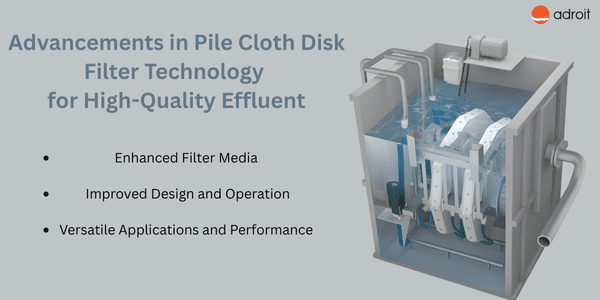

Advancements in Pile Cloth Disk Filter Technology: The effluent treatment is an essential part of the industries dealing with wastewater, and the development of efficient filtration systems plays an important role in maintaining the environmental and regulatory standards. Pole Cloth Disk Filter is one of the technological advancements that allows the improvement in the water treatment process. This advanced filter technology can provide higher efficiency and consistency in filtering the suspended solids from wastewater.
This article brings the Advancements in Pile Cloth Disk Filter Technology for High-Quality Effluent. We will discuss all the important aspects and working principles of these filters.
What Is a Pile Cloth Disk Filter (PCDF)?
A Pile Cloth Disk Filter is a type of mechanical filtration system that is used to treat wastewater with the removal of particulate matter, suspended solids, and debris.
Working Principle of PCDF Technology:
The working principle of PCDF technology starts with passing water through a series of cloth-covered disks that can capture contaminants. These disks are arranged in a vertical or horizontal alignment within a filter unit, with the pile cloth forming a porous, efficient barrier for trapping solids.
The filters are made from woven or non-woven fabric materials that can balance the high dirt-holding capacity and good permeability. Once the filter has reached its capacity, a backwash system is employed for cleaning the cloth and discharging the collected solids.
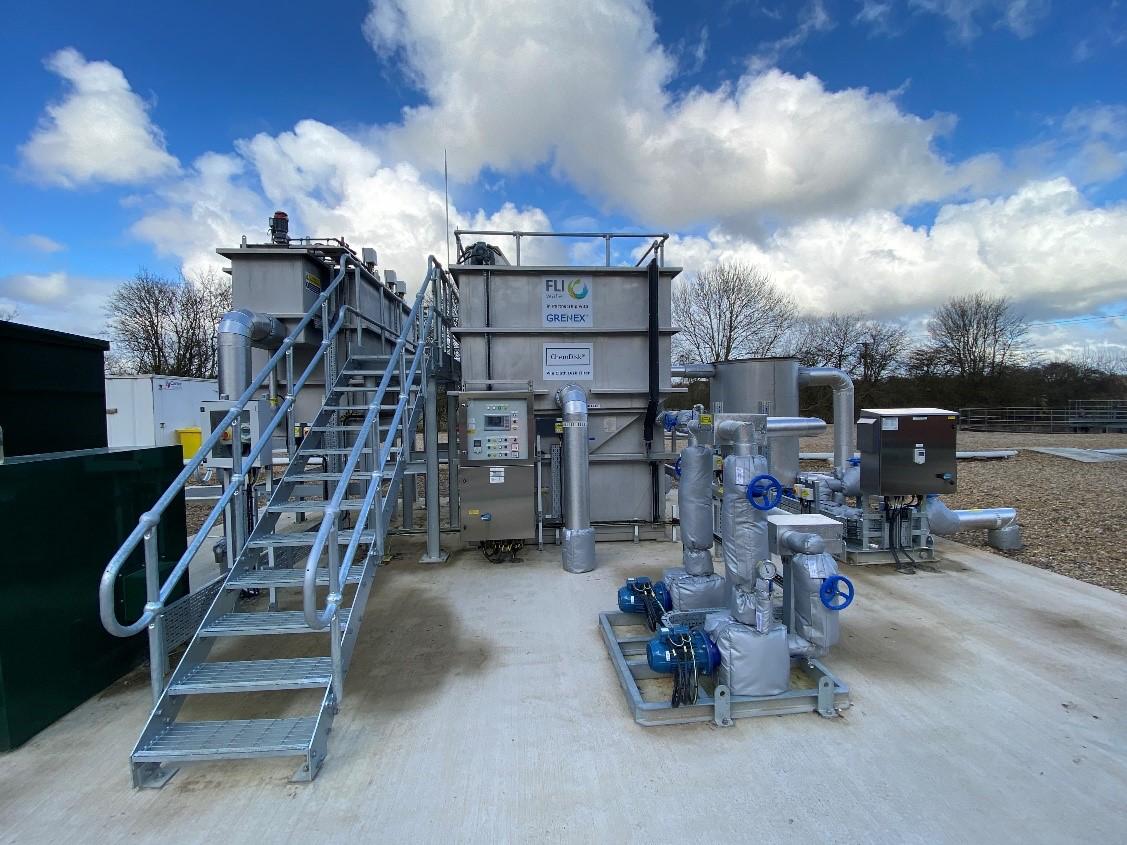
Advancements in Pile Cloth Disk Filter Technology for High-Quality Effluent
While the basic principles of PCDF have remained consistent, significant advancements in design, materials, and system integration have led to improvements in filtration efficiency and operational cost-effectiveness. Some of the key advancements include:
1. The cloth material used in the pile cloth disk filters was either woven or non-woven fabric, which was limited to dirt-holding capacity and permeability. With the recent developments, advanced fabrics are used, including polymer-coated fabrics, microfiber fabrics, and hydrophobic and oleophobic coatings.
- Polymer-coated Fabrics have been treated with polymer coatings for the enhancement of their ability to trap fine particles.
- Microfiber Fabrics allow for finer filtration and provide the removal of suspended solids and resulting in improved effluent quality.
- Hydrophobic and Oleophobic coatings can prevent clogging and maintain filter performance even in oily or viscous water.
2. Backwashing is one of the important parts for the maintenance of the efficiency of pile cloth disk filters. Traditional backwashing systems usually use a significant amount of water to clean the filter cloths. New technologies have made backwashing more efficient. Developments may include reduced water consumption, automated backwashing, and energy-efficient pumps.
3. Advancements in PCDF designs have increased the filtration capacity of the systems. Increased disk surface area allows the filtration of larger volumes of water without disturbing the performance. Modular designs allow the flexible scaling of the filter system that can match the needs of different applications, from small-scale industrial operations to large municipal wastewater treatment plants.
Other Major Advancements in PCDF Technology:
1. PCDF manufacturers can focus on minimizing the environmental footprint of the system.
- Modern pile cloth disk filters are designed in a way to minimize the volume of the water water required for backwashing, which can contribute to water conservation efforts.
- Manufacturers are using recyclable materials to construct filter components and reduce the environmental impact of the system at the end of its life cycle.
- New designs of the pile cloth disk filter can lead to energy savings, resulting in overall power consumption.
2. With PCDF technology, significant improvements in the ability to produce effluent with lower levels of solids and other contaminants have been observed.
- In these advancements, fine particle filtration is included. In this, new cloth materials and designs can filter particles as small as 5-10 microns.
- It can ensure the high-quality effluent that can meet the stringent discharge standards. With the better filtration capacity,
- PCDF can be used to remove a broader range of solids, including colloidal and micro-particles, resulting in cleaner and clearer water.
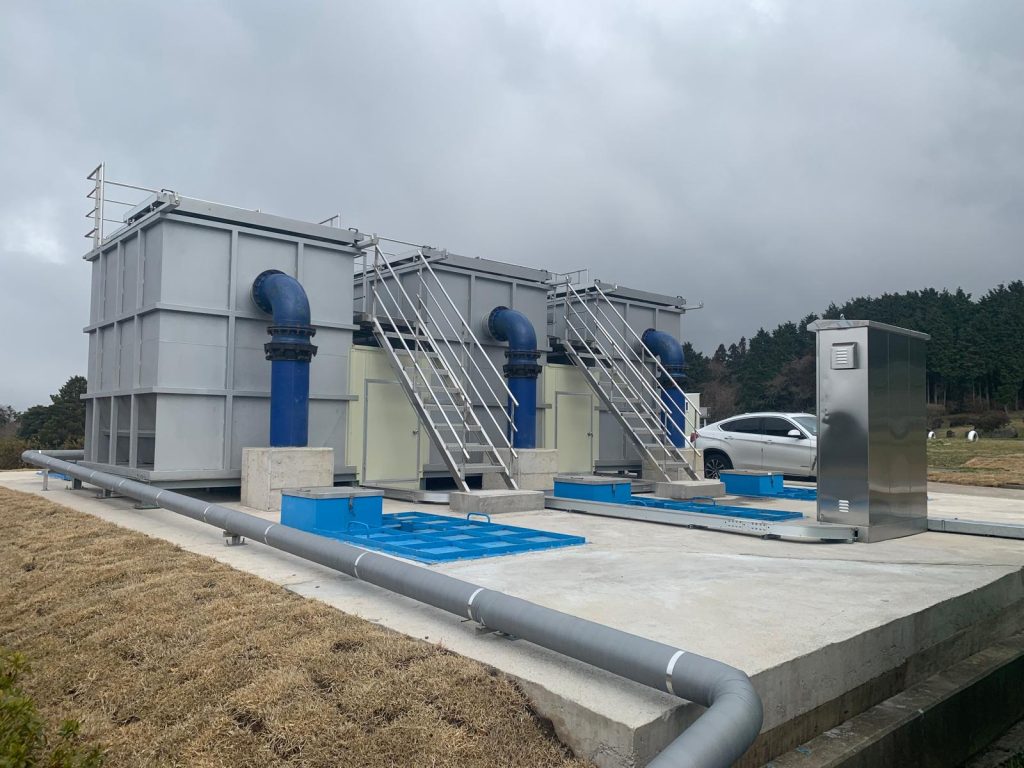
What are the Applications of Pile Cloth Disk Filters?
PCDF technology is used in different industries and settings, including:
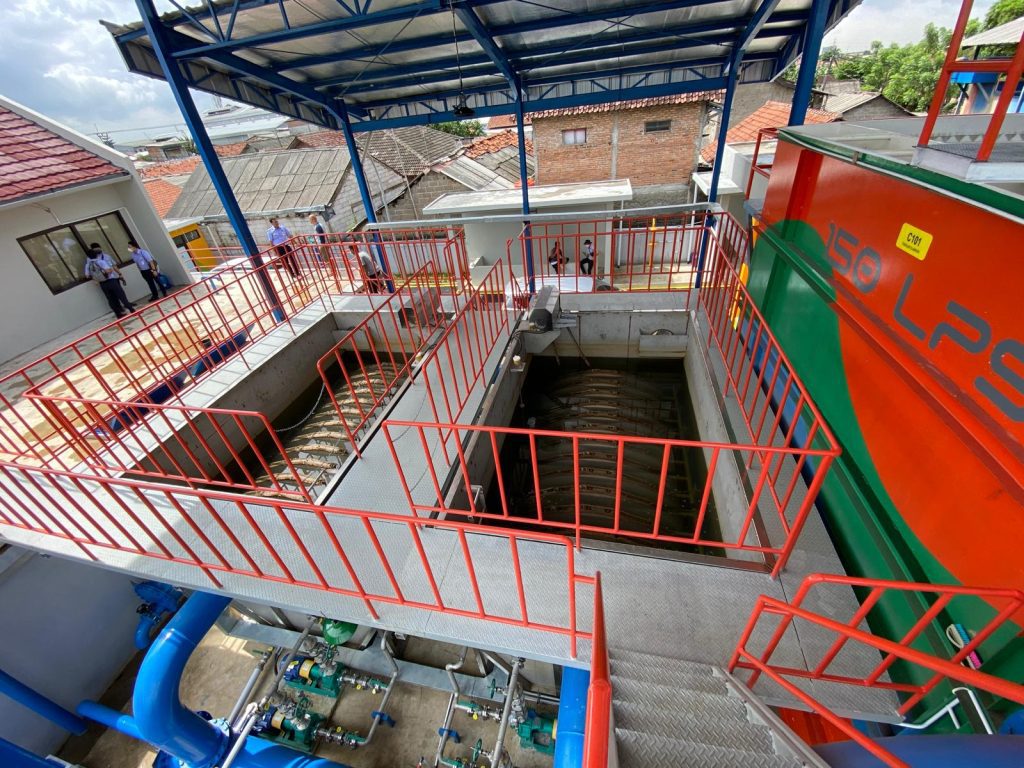
- Municipal Wastewater treatment is one of the significant applications of Pile Cloth Disk Filters to produce high-quality effluent.
- Industries, including food processing, textiles, and pharmaceuticals, use PCDFs to filter the solids from their effluent before discharge or reuse.
- Pile cloth disk filters can be used to remove particles in desalination plants and water recycling facilities to ensure that water can be reused efficiently.
- In Aquaculture, PCDF technology is used to treat wastewater from fish tanks to ensure the quality standards and support aquatic life health.
Note: Adroit Water Technologies, Based in Indore, Madhya Pradesh is offering the best solution for the waste water treatment with Pile Cloth Disk Filter Technology.
Conclusion
With the advancements in the Pile Cloth Disk Filter technology, it has become possible to produce high-quality water. The advancements in technology have made PCDFs more energy-efficient and environmentally friendly which resulting in the production of high-quality water. Industries are facing increased regulatory pressures and environmental concerns. To resolve these issues, PCDF technology remains at the forefront of sustainable wastewater treatment.
People Also Ask for Advancements in Pile Cloth Disk Filter Technology for High-Quality Effluent:
Q.1. Can advancement in PCDF technology improve effluent quality?
Ans. Yes, with the advancements in PCDF technology, such as better cloth materials and improved backwashing systems, the filtration capacity is increased. This technology can ensure a cleaner effluent that can meet environmental standards.
Q.2. For what industries, PCDF technology beneficial?
Ans. Pile Cloth Disk Filter Technology can be used and beneficial for different industries, such as municipal and industrial wastewater treatment, water reuse, aquaculture, and desalination for producing high-quality effluent.
Q.3. What is the working of the backwashing process in PCDF?
Ans. Backwashing in PCDF systems works by reversing the flow of water or using air to clean the cloth surface and remove accumulated solids. The backwashing process can ensure that the filter maintains high efficiency over time.
Q.4. I want to use PCDFs for large-scale wastewater treatment. Can I use PCDF technology in large applications?
Ans. Yes, PCDF systems are scalable and can be used in small as well as large-scale applications. Due to the scalability of being scalable, PCDFs are an ideal choice for municipal treatment plants and industries with large effluent discharge.
Q.5. What are the features of Pile Cloth Disk Filters?
Ans. Features of Pile Cloth Disk Filters are:
- High filtration efficiency
- Lower Energy consumption
- Durable Media
- Automatic Operation
- Compact Design
- Easy Maintenance