
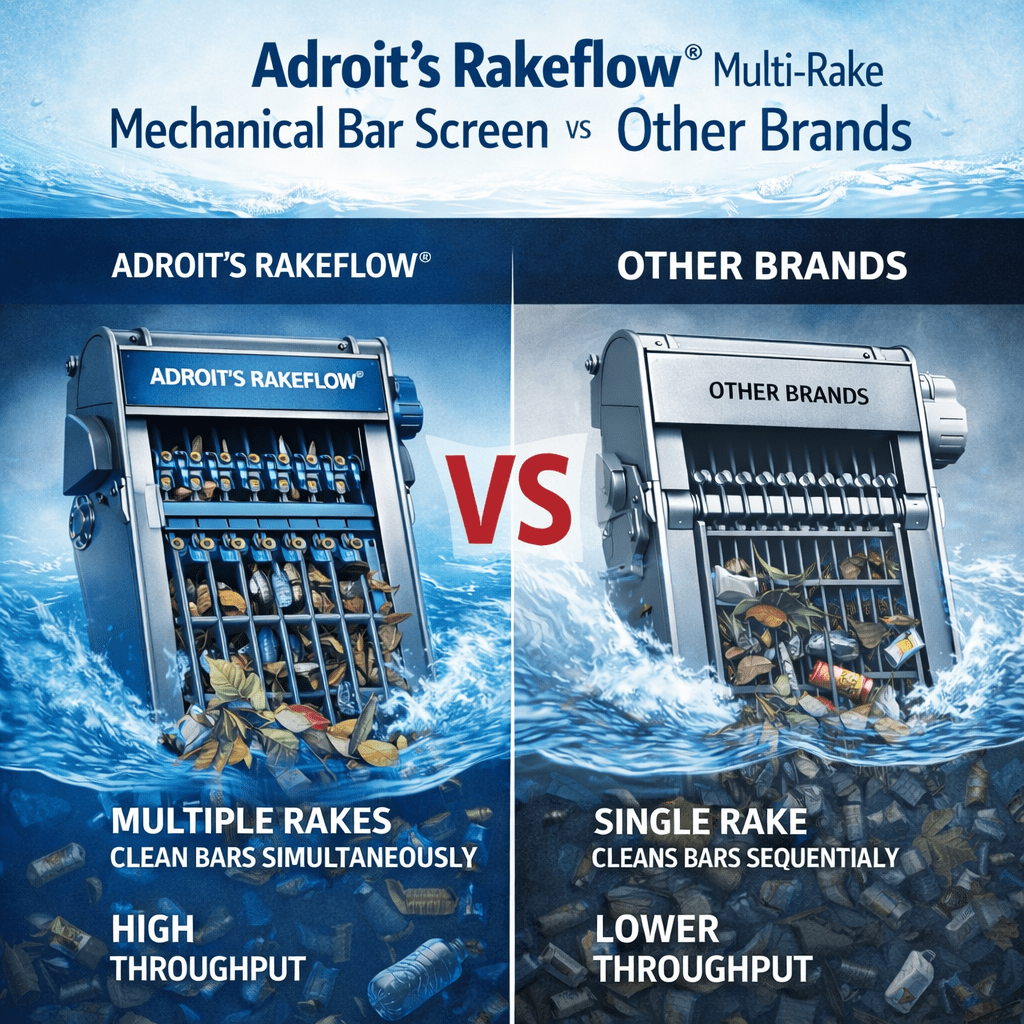

Choosing the right mechanical bar screen system is one of the most critical decisions for an effective wastewater treatment plant. Because the screen plays the key role in preliminary treatment, removing a large amount of debris, and protecting pump walls from clogging or damage. When you are a plant operator or owner, selecting the Multi-Rake Mechanical Bar Screen can be challenging due to various factors like durability, reliability, maintenance and efficiency. That’s why we are dedicated to delivering you the robust performance, smooth industrial operations, with minimal downtime, that make a smart choice of modern wastewater treatment.
Most of the plant operators face challenges in selecting the right mechanical bar screen because of screening efficiency, maintenance requirements, durability, and various flow conditions. Considering these challenges, to give your wastewater treatment plant a smooth operation, minimal maintenance, and ensure consistent performance with long-term reliability.
If you don’t know about our multi-rake mechanical bar screen or other brands, we will provide you with information about how our bar screen system differs from other brands and help you to make smart and cost-effective choices for your industry.
What is a Multi-Rake Mechanical Bar Screen?
The multi-rake mechanical bar screen system is most important for wastewater treatment plants, which work as the defence line against unwanted solids. A multi-rake mechanical bar screen mainly works for capturing and removing the fine lines or debris materials like plastics, rugs, leaves and other unwanted particles that damage your industrial pipes, valves, and downstream the process of industry. Without the mechanical bar screen system, the industry couldn’t run effectively, because these materials can enhance the chances of pipe blockage.
A multi-rake mechanical bar screen system is installed in various locations, which include STP inlet works, pumping stations, stormwater drains, and industrial effluent treatment plants. This wastewater screen helps to ensure a clean and manageable flow with continuous downstream. This wastewater treatment solution is highly effective; it continuously lifts solids to ensure a clean and manageable flow with continuous downstream. This rake continuously moves with the screen and transports debris into a disposable area.
When talking in a simple way, the mechanical bar screen system is a cost-effective, reliable, efficient and low-maintenance solution for every modern treatment plant. This continuous operation is helpful for eliminating manual cleaning and labour.

Overview of Adroit’s Rakeflow® Multi-Rake Mechanical Bar Screen
At Adroit, our rakeflow Multi-Rake Mechanical Bar Screen is especially designed for making wastewater screens efficient, automated and hassle-free. Our mechanical system works effectively for floating and eliminating solids, protecting pumps and valves, and the downstream treatment system and eliminates manual errors. We have wider options for wastewater treatment, such as the Mechanical Step Screen, MANUAL BAR SCREEN, and J-Type Manual Screen.
Key Specifications:
- Our automated solid removal system works with a continuous chain rake system that lifts debris from the screen surface.
- We have versatile bar spacing that ranges from 3 mm to 100 mm for handling debris and wastage.
- Our bar screen system comes with flexible channel dimensions from:
- Bar spacing: 3 mm to 100 mm
- Channel width: 400 mm to 3000 mm
- Channel depth: 1000 mm to 20000 mm
- Material: SS304 / SS316 construction
- It is built with durable material SS304 / SS316, which is helpful for lasting corrosion resistance.
- It is ideal for wider applications such as plumbing stations, stormwater, and every industrial effluent.
What are the Key Features of Adroit’s Rakeflow® System
- Multiple rake configuration for efficient debris removal
- Low RPM motor reduces wear and energy consumption
- Heavy-duty stainless steel construction for corrosion resistance
- Minimal head loss during screening
- Chain drive system without submerged bearings for reliable operation
How Multi-Rake Screens from Other Brands Typically Work
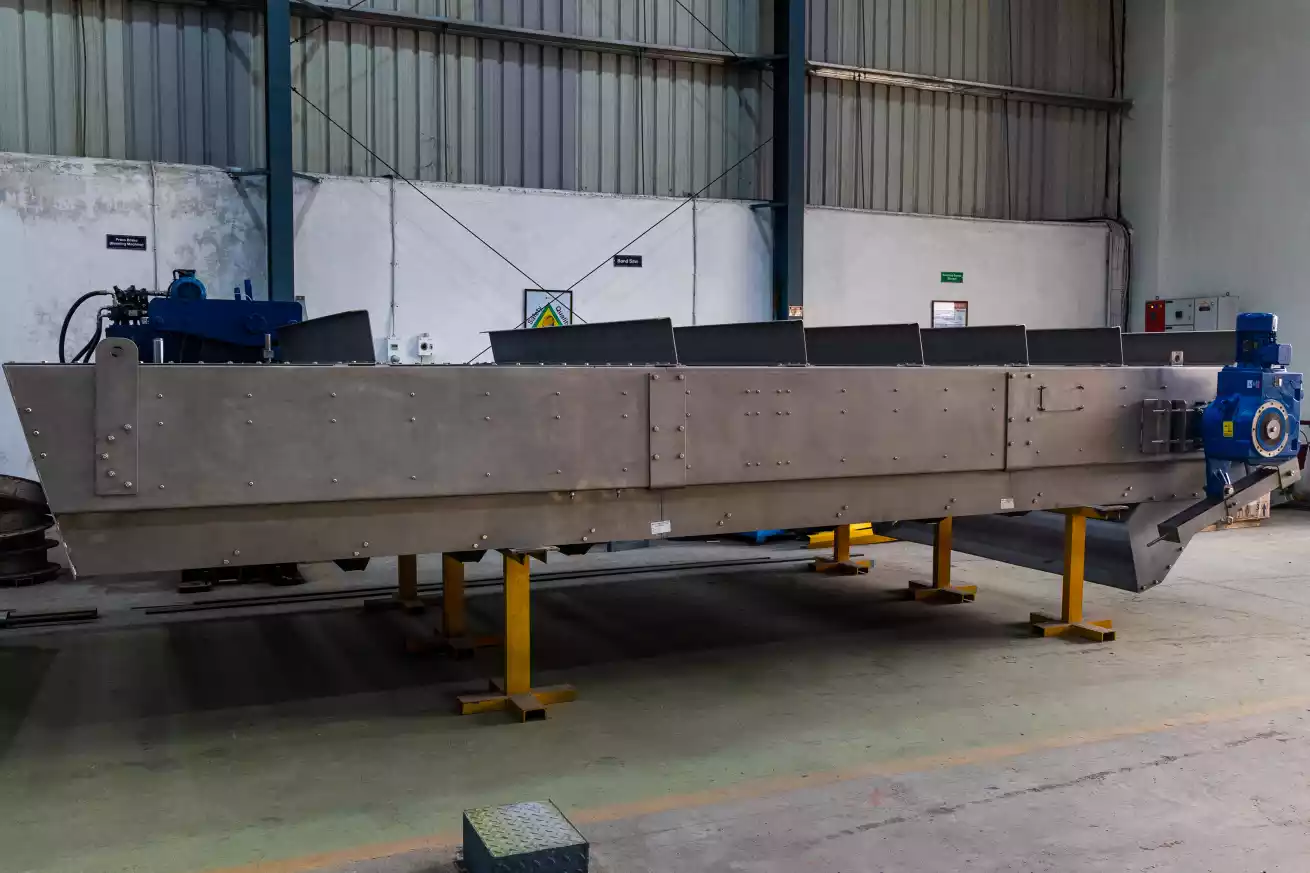
Most of the multi-rake bar screen systems work similarly to other brands, operating with a similar basic operation. Because the chain-driven rake system moves with vertical or inclined bars, from the screen and transports debris into disposable areas. This rake passes continuously over the bars and allows for the removal of solids frequently.
- Standard chain-driven rake mechanism
- Automatic lifting and inconsistent debris removal with exposed moving parts
- Stainless steel construction (usually SS304)
- Continuous cleaning of screen bars to prevent clogging
Understanding Key Comparison: Rakeflow® vs Typical Multi-Rake Screens
| Feature | Rakeflow® | Typical Multi-Rake Screens |
| Number of Rakes | Optimized a higher number of rakes for efficient debris capture and improved screening | Fewer rakes; less efficient debris handling |
| Head Loss & Hydraulic Performance | Low head loss design preserves plant flow capacity | Higher head loss can reduce flow and create hydraulic issues |
| Mechanical Design Reliability | Submerged bearings are often avoided; a robust chain drive is used for long life | May include submerged bearings; chain drives may wear faster |
| Material Quality | High-grade stainless steel with corrosion protection | Varies; often lower-grade steel with less corrosion resistance |
| Maintenance Requirements | Easy access for motors, chains, and rakes; minimal downtime | Maintenance can be more difficult; motor and chain servicing is more complex |
| Energy Efficiency | Low RPM motors reduce energy consumption | High-speed drives increase energy use |
| Screening Capacity | Handles large debris and high flow rates effectively | Limited capacity; struggles with large debris or peak flows |
What are the Critical Factors to Evaluate Before Selecting a Mechanical Bar Screen
For selecting the right mechanical bar screen system for wastewater treatment plants or facilities, you need to ensure various factors such as optimal performance, reliability, and cost effectiveness. When you choose a mechanical bar screen before evaluating, it leads to high maintenance, reduced flow, and operational inefficiencies. That’s why you need to consider various key factors such as hydraulic performance, debris handling, mechanical durability, and excessive maintenance. Make sure the bar screen design also matches your facility flow rates, and ensure the characteristics or requirements maximize the efficiency and longevity.
- Make sure the screen can handle peak flows without taking excessive head loss or flow consumption.
- Make sure the debris type, size, and quantity before choosing.
- Ensure the screening capacity of the bar screen because debris screening is most important.
- Consider the presence of submerging bearings, chain durability, and the structure.
- Analyzing the material quantity with high-grade stainless steel and proper coatings helps to survive in harsh environments
- Measure motor speed, power consumption, and higher energy potential for long-term operations.
- Space also affects the performance of the bar screen system, ensuring the existing infrastructure.
- Make sure the machinery or equipment meets local quality standards and environmental guidelines.
What are the Applications of Rakeflow® Multi-Rake Screens
This multi-rake system is specially designed for handling heavy-duty industrial screening, wastewater treatment, and offering you high-quality, low operation, and low maintenance costs. Their durable design works with high screening capacity, which makes it a suitable solution for every industrial application where debris or water flows are present.
- Municipal sewage treatment plants
- Wastewater pumping stations
- Industrial wastewater treatment facilities
- Stormwater drainage systems
- Effluent treatment plants (ETPs)
How the Correct Screen Selection Impacts Plant Performance
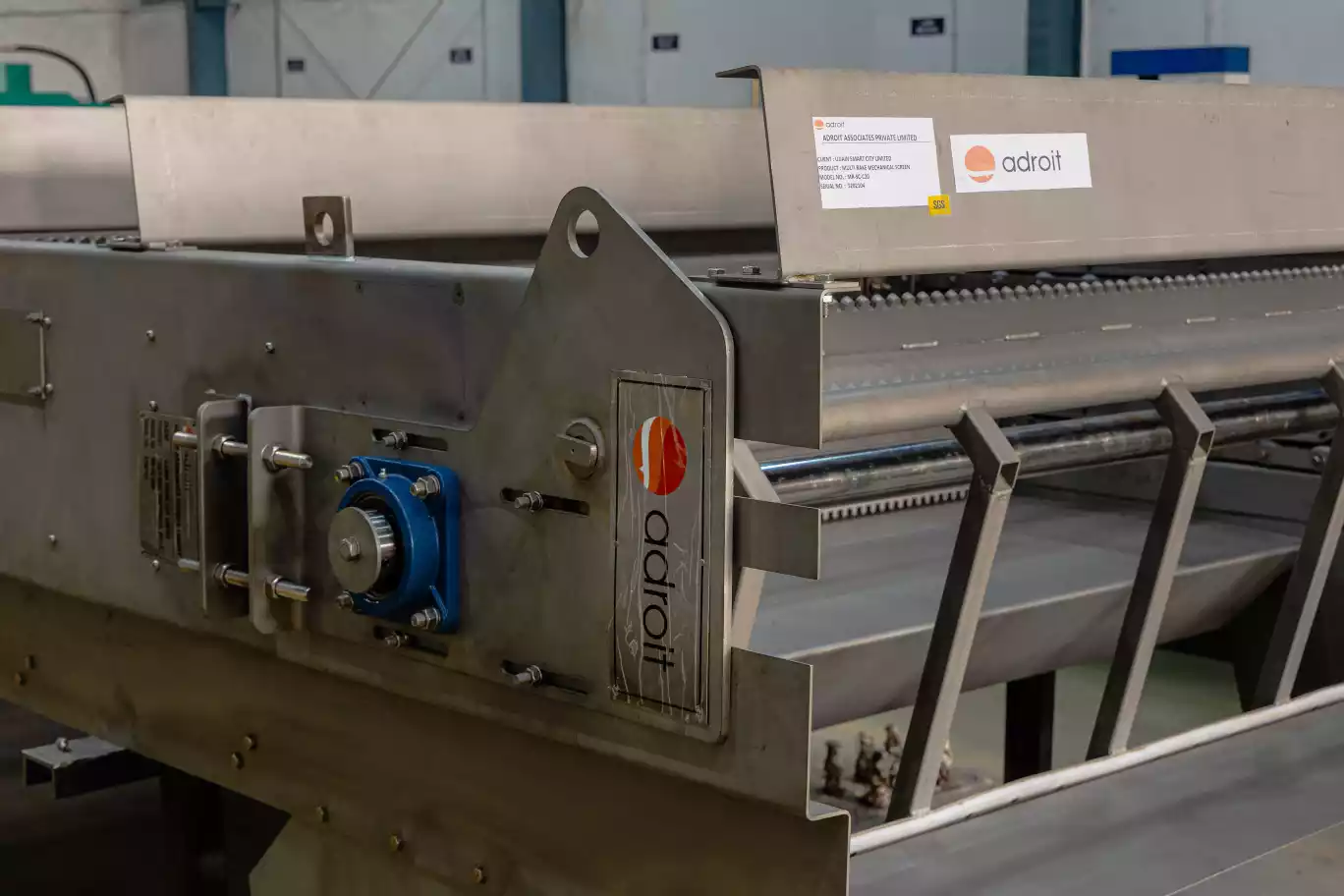
Choosing the right screen selection mainly impacts your plant’s overall performance, efficiency, and reliability. Choosing a reliable wastewater treatment partner means ensuring consistent debris removal, minimizing head loss, and protecting your equipment from maintenance costs. A poorly matched screen can lead to clogging, pore flow restrictions, and energy inefficient downtime.
- Reduced equipment damage
- Lower operational downtime
- Improved downstream biological treatment efficiency
- Reduced maintenance and operational costs
Why Many Engineers Prefer Multi-Rake Screening Technology
Most of the engineers prefer multi-rake screening technology, because it is helpful for combining high energy efficiency, reliability and low maintenance operations that handle large volumes of water with debris loads, compared to a single rake system, and screens offer superior performance in various critical operations.
Reasons Engineers Prefer The Screening System:
- This multi-rake screening technology allows continuous operations for debris removal in peak flow events.
- An optimized multi-rake system is helpful for ensuring minimal disturbance to hydraulic flow and maintaining plant performance.
- Its robust and mechanical design, or submerged bearings reduce water and extend operational life.
- Easy to handle the large debris because it comes with accessible components such as motor chains, rakes, and reduces downtime.
- Improved plant reliability & long-term cost saving because it delivers energy efficiency with a lower lifetime.
How Adroit Engineers Reliable Screening Solutions
At Adroit, our engineers provide you with a reliable and effective multi-rake bar screening system that combines advanced design and high-quality industrial-grade material. Our multirake approach mainly focuses on maximizing debris removal, smart industrial operations, minimizing maintenance, and operational downtime.
- Custom design based on plant hydraulics
- High-quality stainless steel fabrication
- Field-tested screening technology
- Support for municipal and industrial clients
- Easy maintenance and energy efficient
- Customizable solutions for every industry
Frequently Asked Questions (FAQs)
What is the advantage of multi-rake mechanical bar screens?
A: The multi-rake bar screening system is perfect for eliminating debris, handling high flow, and reducing maintenance for reliable performance.
What bar spacing is recommended for municipal wastewater?
A: Basically, the bar spacing requires 6–25 mm space, but it depends on the screening course needs.
How do multi-rake screens reduce maintenance?
A: By using a multiple-rack system, it effectively removes debris and other accessible equipment that prevents pipe blockage and requires simple cleaning.
What factors affect the screening capacity of mechanical screens?
A: There are various factors that affect screening capacity, such as flow rate, debris size, bar spacing, number of rakes, and screen dimensions.
How do I choose the right mechanical screen for my STP?
A: When you want to choose the right mechanical screen, you need to match debris size, capacity and durability.
Can multi-rake screens handle stormwater debris?
A: There are various multi-rake screening systems that effectively handle the stormwater debris.
What maintenance is required for mechanical bar screens?
A: When you want to make your industrial operations smooth, there are various tasks such as regular cleaning, inspection of rake chains, and lubrication of moving parts.